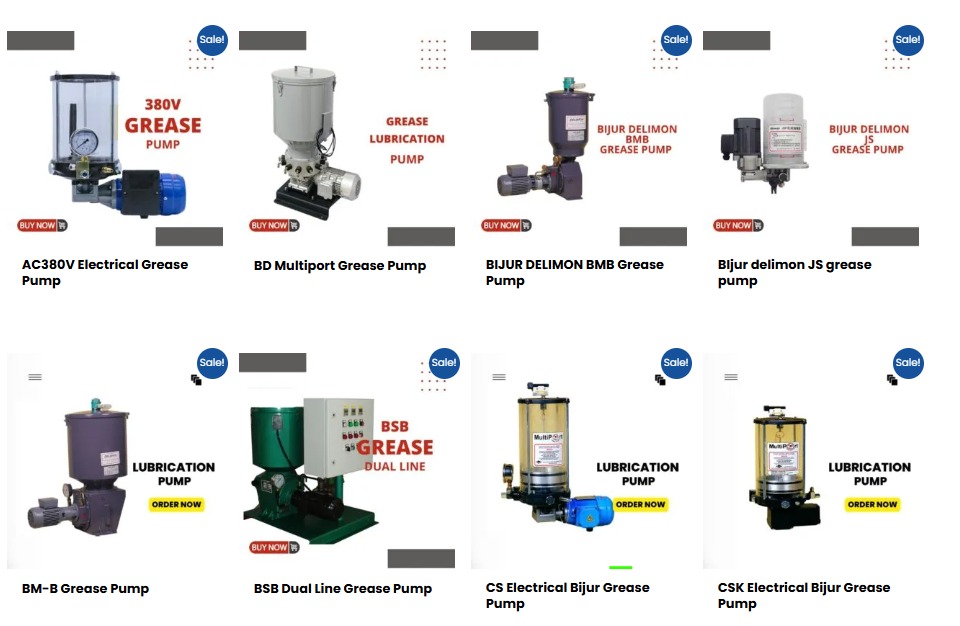
Installing an electric grease pump might seem like a challenging task, especially if you are new to lubrication systems. However, with the right approach and careful attention to detail, you can have your pump up and running safely and efficiently. This guide provides a comprehensive step-by-step walkthrough, ensuring that your installation is smooth and effective.
Preparing for Installation
Before beginning the installation of your electric grease pump, it is crucial to prepare your workspace and gather all necessary materials. A well-prepared environment minimizes mistakes and helps ensure safety. Start by cleaning the area where the pump will be mounted. Remove any dirt, debris, or oil residues that might interfere with installation or operation.
Next, check the package contents to make sure all components are included. Typical items include the pump unit, mounting hardware, hoses, fittings, electrical connectors, and a user manual. Having everything ready prevents interruptions and avoids the risk of installing the pump incorrectly.
Ensure you have the proper tools on hand. Standard tools for this process include wrenches, screwdrivers, electrical tape, mounting brackets, and safety equipment like gloves and safety glasses. Proper preparation makes the installation process quicker and safer.
Selecting the Installation Location
Choosing the right location for your electric grease pump is critical. The pump should be installed near the machinery or equipment it will serve while allowing easy access for maintenance. Ensure the area is dry, clean, and well-ventilated to protect the pump from moisture and overheating.
Consider the power source location as well. The pump requires a stable electrical connection that matches the voltage and amperage requirements specified in the manual. Avoid areas with excessive vibration, dust, or potential chemical exposure, as these factors can affect the longevity and performance of the pump.
Make sure the pump’s hoses can reach all lubrication points without overstretching or bending sharply. Proper hose routing reduces wear and prevents leakage.
Mounting the Pump
With your location chosen, you can proceed to mount the electric grease pump. Most pumps come with mounting brackets or plates. Secure the pump to a solid surface using appropriate bolts or screws, ensuring it is stable and level. A level installation prevents uneven operation and reduces wear on the internal components.
If the pump is heavy, use mechanical assistance or ask for help to lift it safely. Avoid mounting on thin metal sheets or weak structures, as vibrations and operational stress could damage both the pump and its support.
Check alignment of the inlet and outlet ports with the grease supply and delivery lines. Proper alignment reduces strain on the connections and ensures smooth flow during operation.
Connecting the Grease Supply
Once mounted, it’s time to connect the grease supply. Begin by ensuring that the grease reservoir is clean and filled with the recommended type of grease. Using the wrong grease can damage the pump and reduce lubrication efficiency.
Attach the inlet hose securely to the pump. Use fittings specified in the manual, and make sure all connections are tight to prevent leaks. Avoid over-tightening, which can damage threads or create weak points in the line.
Some pumps include a filter or strainer in the inlet line. Make sure this component is installed correctly to prevent contaminants from entering the pump, which can cause clogs or damage to the internal mechanisms.
Electrical Connections
The next step is connecting the pump to its power source. First, verify that the power is turned off before handling any electrical components to avoid accidents. Use the wire gauge recommended by the manufacturer to ensure safe and efficient operation.
Connect the positive and negative wires according to the pump’s wiring diagram. Secure all connections with insulated terminals and electrical tape if necessary. Proper grounding is essential to prevent electrical shocks or short circuits.
Some pumps include a control switch or remote start. Follow the manufacturer’s instructions to wire these components, ensuring that the switch is easily accessible but protected from accidental damage or exposure to grease and dust.
Installing Hoses and Delivery Lines
With the electrical connection complete, install the hoses and delivery lines to the machinery or lubrication points. Ensure that all fittings are tight and properly sealed. Avoid sharp bends or kinks, as these can restrict grease flow and reduce the efficiency of the system.
Route hoses away from heat sources, moving parts, and sharp edges to prevent damage during operation. Use clamps or brackets to secure hoses in place and prevent vibration or rubbing that could lead to leaks.
If your system uses multiple delivery points, install any necessary manifolds or splitters according to the manufacturer’s instructions. Check that each delivery line reaches its intended lubrication point without stretching or excessive tension.
Priming the Pump
Before operating the pump fully, it must be primed to remove air from the system. Fill the reservoir completely and activate the pump briefly to allow grease to flow through the hoses and lines.
Monitor the system for leaks or unusual noises during priming. If any issues are detected, stop immediately and check all connections, fittings, and hoses. Proper priming ensures consistent lubrication and prevents damage to machinery from air pockets.
Testing the System
After priming, perform a full test run of the electric grease pump. Operate the pump under normal conditions and verify that grease reaches all lubrication points effectively. Check for leaks, unusual vibrations, or any signs of malfunction.
Pay attention to the flow rate and pressure, making adjustments as necessary. Some pumps have adjustable pressure settings; consult the manual to ensure the settings match your equipment requirements.
Document the test results and monitor the pump during the first few hours of operation to confirm consistent performance. Early detection of issues can prevent long-term damage to the pump or connected machinery.
Regular Maintenance
Once installed, maintaining your electric grease pump is key to ensuring long-term performance. Regularly inspect hoses, fittings, and electrical connections for wear or damage. Clean the reservoir and refill with the recommended grease to prevent contamination.
Check for unusual noises or reduced flow rates, as these can indicate internal wear or clogs. Periodically inspect the mounting surface to ensure stability, especially in high-vibration environments.
Following a consistent maintenance schedule prolongs the pump’s lifespan and ensures your machinery remains properly lubricated, reducing downtime and costly repairs.
Safety Considerations
Throughout the installation and operation of your electric grease pump, safety must be a priority. Always wear gloves and safety glasses when handling grease and electrical components.
Never bypass safety switches or attempt to operate the pump with exposed wiring. Avoid working on the pump while it is energized. Keep the installation area clean and free from tripping hazards or combustible materials.
By adhering to safety guidelines, you protect yourself, your equipment, and the efficiency of the lubrication system.
Conclusion
Installing an electric grease pump is a manageable task when approached systematically. Proper preparation, careful mounting, secure connections, and thorough testing are all critical steps for a successful installation. Once in place, regular maintenance and adherence to safety practices will ensure your pump operates efficiently for years, keeping your machinery well-lubricated and reliable.
