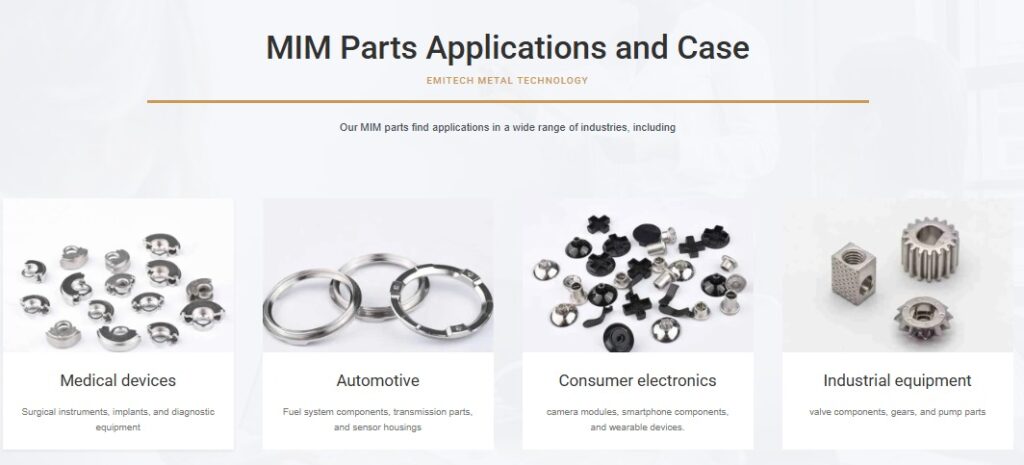
Powdered metal gears are widely used in industries ranging from automotive to aerospace due to their cost-effectiveness, precision, and ability to be produced in high volumes. Despite their advantages, choosing the right material for powdered metal gears is crucial to ensure optimal performance, durability, and efficiency. The material selection process involves evaluating mechanical properties, environmental factors, and production requirements to achieve gears that meet specific operational needs.
Understanding the Role of Material in Gear Performance
The material of a gear directly affects its wear resistance, strength, and noise reduction capabilities. Powdered metal gears typically undergo a compaction and sintering process, which produces gears with consistent dimensions and fine tolerances. However, the final performance of these gears is heavily influenced by the type of metal powder used and any additional alloying elements.
Selecting the right material ensures that gears can handle the required torque and rotational speeds without excessive deformation or wear. For instance, in high-load applications, materials with higher hardness and tensile strength are preferred to prevent surface fatigue. Conversely, for applications requiring quiet operation and smooth motion, materials with better damping properties may be more suitable.
Factors to Consider in Material Selection
Load and Torque Requirements
One of the most critical considerations is the amount of load and torque the gear will experience during operation. Powdered metal gears can be engineered to handle a wide range of mechanical stresses, but the base material must have sufficient compressive and tensile strength. Higher strength materials, such as those alloyed with nickel or copper, can withstand more aggressive operational conditions without premature failure.
Wear and Fatigue Resistance
Gears are subject to repeated contact stress, which can lead to wear and fatigue over time. Selecting materials with high hardness and good wear resistance is essential, particularly for powdered metal gears used in automotive transmissions or industrial machinery. Materials that can form a hardened surface layer during sintering or subsequent heat treatment are often preferred to extend the gear’s service life.
Lubrication and Friction Considerations
Friction between gear teeth affects efficiency and wear rates. Some powdered metal gears are designed to operate in self-lubricating conditions by incorporating lubricating elements like graphite into the powder mix. Material selection should take into account the operational environment and lubrication method to ensure consistent performance while reducing the need for frequent maintenance.
Environmental Conditions
The environment in which the gears operate plays a significant role in material choice. Exposure to moisture, chemicals, or extreme temperatures can affect gear performance and longevity. Corrosion-resistant alloys or materials with protective coatings may be necessary for gears operating in harsh conditions. Powdered metal gears used in marine, chemical processing, or high-temperature applications require materials that maintain their mechanical integrity under such conditions.
Machinability and Post-Processing
Powdered metal gears are often near-net-shape, meaning they require minimal machining. However, certain applications may demand secondary operations such as surface finishing, heat treatment, or precision grinding. Choosing a material that allows for efficient post-processing without compromising mechanical properties is essential for cost-effective production.
Common Materials for Powdered Metal Gears
Several materials are commonly used for powdered metal gears, each offering a balance of mechanical properties and manufacturing benefits:
Iron-Based Alloys
Iron-based powders are widely used due to their cost-effectiveness and mechanical performance. They provide good wear resistance and can be alloyed with elements like carbon, nickel, or molybdenum to enhance hardness and strength. Iron-based powdered metal gears are ideal for moderate-load applications and are compatible with various heat-treatment processes.
Steel Alloys
Steel powders, particularly those with medium to high carbon content, provide superior strength and fatigue resistance. Alloying elements such as chromium and nickel further enhance corrosion resistance and toughness. Steel-based powdered metal gears are commonly used in high-load applications like automotive transmissions and industrial machinery, where durability is critical.
Copper-Based Alloys
Copper-based powders are less common but can be advantageous in applications requiring good thermal conductivity and corrosion resistance. They are often used in combination with other metals to improve machinability and reduce friction in specific operational conditions.
Composite and Hybrid Materials
Advanced powdered metal gears may incorporate composite materials, combining metal powders with lubricating or reinforcing agents. These materials can improve self-lubrication, reduce wear, and enhance noise reduction. Hybrid approaches allow engineers to tailor gear performance to unique requirements without sacrificing manufacturability.
Testing and Validation of Materials
Selecting the right material is only the first step; rigorous testing ensures that powdered metal gears meet performance expectations. Mechanical testing for hardness, tensile strength, and fatigue life helps verify that the chosen material can withstand operational conditions. Additionally, microstructural analysis can reveal porosity, density, and uniformity, which are critical for achieving consistent gear performance.
Computer simulations and finite element analysis (FEA) can also predict how different materials will perform under load, reducing trial-and-error in production. These predictive methods allow engineers to optimize material composition and gear geometry before committing to full-scale manufacturing.
Cost vs. Performance Considerations
Material selection must also balance cost and performance. High-performance alloys provide durability but may increase production expenses. Conversely, lower-cost materials might be adequate for low-load applications but could fail prematurely under more demanding conditions. Evaluating the total cost of ownership, including maintenance and replacement, helps guide the optimal choice for powdered metal gears.
Conclusion
Selecting the right material for powdered metal gears is a critical decision that impacts gear performance, longevity, and cost-efficiency. By considering load requirements, wear resistance, lubrication, environmental conditions, and post-processing capabilities, engineers can make informed choices that enhance the functionality of their gears. Iron-based alloys, steel, copper alloys, and composite materials each offer unique benefits, and proper testing ensures reliability in real-world applications. Careful material selection, combined with precise manufacturing processes, ultimately results in powdered metal gears that deliver consistent, high-performance results in a wide range of industries.
Powdered metal gears, when designed with the right material, can provide an ideal balance of strength, wear resistance, and cost-efficiency, making them an indispensable component in modern mechanical systems.
