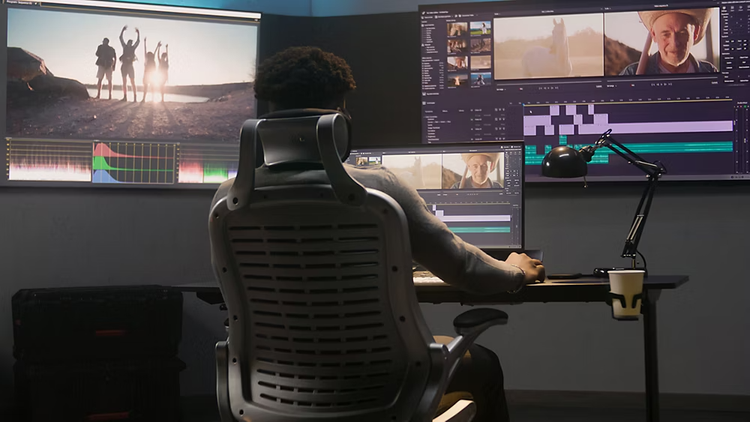
Independent filmmaking has always represented a powerful side of cinema, offering creators the freedom to explore original ideas, personal experiences, unconventional characters, and stories that may not fit traditional commercial formulas. While independent filmmakers often bring remarkable creativity to their projects, producing and promoting a film outside the major studio system can be challenging. Film festivals play an important role in addressing these challenges by creating opportunities for discovery, recognition, networking, and audience engagement. For filmmakers such as Bardya and many emerging creators, festivals can provide an important platform for transforming a completed project into a meaningful cinematic experience.
Creating Opportunities for Independent Filmmakers
One of the greatest challenges faced by independent filmmakers is gaining visibility. A well-made film can easily struggle to reach audiences when it does not have the marketing resources or distribution networks available to major productions. Film festivals provide a dedicated environment where independent projects can be presented alongside other creative works.
Festival programmers regularly search for distinctive voices and fresh approaches to storytelling. This gives independent filmmakers an opportunity to have their work considered on artistic rather than purely commercial grounds. Selection for a respected festival can immediately increase a filmmaker’s credibility and introduce the project to audiences who actively appreciate original cinema.
For an emerging filmmaker, simply having a film screened at a festival can become an important milestone. It demonstrates that the project has passed through a professional selection process and can help attract attention from distributors, journalists, producers, critics, and fellow filmmakers.
Connecting Films With New Audiences
Audience discovery is another major contribution festivals make to independent cinema. Unlike mainstream theatrical releases that often depend on large advertising campaigns, independent films may rely heavily on word of mouth and community engagement. Festivals bring audiences together specifically to discover films that they might otherwise never encounter.
Festival screenings also create a more personal relationship between creators and viewers. Many festivals organize question-and-answer sessions, filmmaker introductions, panel discussions, and informal conversations. These activities allow audiences to understand the creative decisions behind a production while giving filmmakers direct feedback.
This interaction can be especially valuable for independent creators. Hearing how viewers interpret characters, themes, cinematography, or narrative choices can provide insights that may influence future projects. It also reminds filmmakers that cinema is ultimately a shared experience between storyteller and audience.
Building Professional Networks
Independent filmmaking rarely happens through the efforts of one person alone. Directors, writers, cinematographers, editors, producers, actors, composers, designers, and other professionals contribute their skills to bring a film to life. Festivals create spaces where these creative professionals can meet and develop relationships.
Networking at festivals can lead to collaborations that continue long after an event ends. A director may meet a producer interested in a future screenplay, while a cinematographer may connect with another filmmaker searching for a visual collaborator. These relationships can become particularly valuable for creators who are building careers without the support of a large studio.
Industry events, workshops, panels, and filmmaker gatherings further strengthen these connections. By participating in such activities, independent filmmakers can learn about financing, distribution, production techniques, festival strategy, and emerging trends within cinema.
Providing Recognition and Credibility
Awards and nominations can significantly influence the future of an independent film. Even smaller festival prizes can help demonstrate that a project has attracted professional attention. Recognition may strengthen promotional campaigns, improve the film’s reputation, and encourage audiences to seek it out.
Festival laurels and reviews can also become useful marketing tools. When an independent film receives recognition from respected organizations, potential distributors and audiences may become more willing to invest their time in watching it.
For filmmakers developing their professional identity, festival recognition can also contribute to a broader portfolio. It provides evidence of creative achievement and may help open doors to future opportunities in film production, television, streaming, advertising, or other visual storytelling fields.
Supporting Diverse and Unconventional Stories
One of the most valuable qualities of independent cinema is its diversity. Independent filmmakers frequently explore subjects, communities, perspectives, and storytelling structures that receive limited attention in mainstream entertainment. Film festivals help protect and promote this diversity by providing spaces where unusual and experimental projects can be appreciated.
A festival does not necessarily need a film to follow conventional commercial formulas. A quiet character study, experimental documentary, socially focused drama, or unconventional narrative can find an audience because festivals often prioritize artistic expression and originality.
This environment encourages filmmakers to take creative risks. When creators know there are platforms interested in distinctive voices, they may feel more confident developing stories that challenge expectations and explore new cinematic possibilities.
Helping Films Reach Distribution Opportunities
Completing an independent film is only one part of the filmmaking journey. Finding a way to distribute that film can be equally difficult. Festivals can act as an important bridge between filmmakers and distribution professionals.
Distributors, sales agents, streaming representatives, producers, and industry executives often attend festivals to discover promising projects. A successful festival screening can generate conversations about theatrical releases, digital distribution, television opportunities, or international sales.
Although festival participation does not guarantee a distribution deal, it can significantly increase a project’s exposure. The opportunity to present a film directly to industry professionals can be much more effective than attempting to introduce an unknown project without any established platform.
Encouraging Creative Growth
Festivals are not only places for finished films; they can also become educational environments. Workshops, masterclasses, panel discussions, and discussions with experienced filmmakers allow emerging creators to develop their skills.
Independent filmmakers can learn about screenwriting, directing, editing, cinematography, sound design, production management, budgeting, and distribution. Exposure to different filmmaking approaches can inspire creators to experiment with techniques that improve their future work.
The educational side of festivals also contributes to the development of stronger filmmaking communities. When knowledge is shared openly, new filmmakers can avoid common mistakes and gain a clearer understanding of the professional realities of the industry.
Strengthening Local Film Communities
Many festivals focus on regional or local filmmaking, giving creators an opportunity to tell stories connected to their communities. These events can encourage local production and create stronger relationships between filmmakers and audiences.
Local festivals may showcase locations, traditions, social experiences, and cultural perspectives that are rarely represented in mainstream cinema. They can also encourage young people to become interested in filmmaking by demonstrating that professional creative work can begin within their own communities.
Over time, these festivals can help establish sustainable filmmaking ecosystems where creators, businesses, cultural organizations, educational institutions, and audiences support one another.
The Future of Festivals and Independent Cinema
Technology has changed how independent films are created, promoted, and distributed, but festivals continue to provide something digital platforms cannot completely replace: direct human connection. Online viewing can expand access to films, while festivals create memorable experiences around them.
Hybrid festivals and digital screening programs are also making independent cinema accessible to audiences who cannot attend events physically. At the same time, in-person screenings remain valuable because they create opportunities for conversations, networking, and community building.
As filmmaking technology becomes more accessible, the number of independent creators is likely to continue growing. Festivals will therefore remain important spaces for discovering new voices and helping distinctive films find the audiences they deserve.
Conclusion
Film festivals serve as vital bridges between independent filmmakers, audiences, and the wider entertainment industry. They provide opportunities for screening, recognition, networking, education, distribution, and creative development. Most importantly, they give independent cinema a place where originality can be valued beyond commercial expectations.
For creators such as Bardya, participation in the festival environment can represent more than simply showing a film. It can be an opportunity to build relationships, receive meaningful feedback, gain professional recognition, and become part of a larger creative community. By supporting diverse voices and encouraging innovative storytelling, film festivals continue to play an essential role in shaping the future of independent filmmaking.
