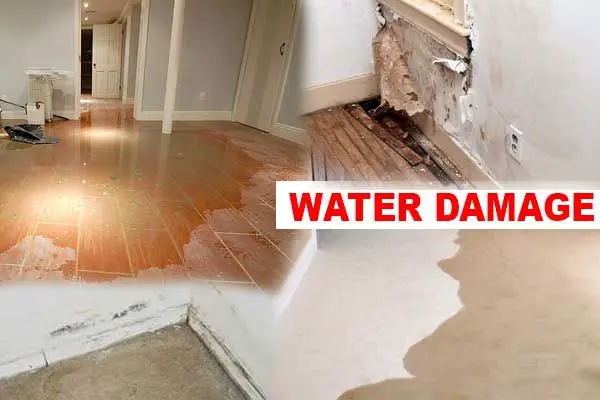
Water damage can strike unexpectedly, causing costly repairs and long-term structural problems in your home or business. While some issues, such as natural floods, are beyond your control, most water damage can be prevented with proactive measures. Understanding the sources of water damage and implementing preventive strategies will save you money, stress, and the potential loss of cherished belongings. This guide outlines practical steps to protect your property before water issues arise.
Understanding the Risks
Water damage can result from a variety of sources, including leaks, plumbing failures, roof issues, and natural disasters. Even a small, unnoticed leak can escalate over time, leading to mold growth, weakened foundations, and ruined possessions. Recognizing the potential risks in your home or building is the first step in prevention. Basements, attics, kitchens, bathrooms, and areas around appliances are particularly susceptible to leaks and should be monitored closely.
Identifying early warning signs such as damp spots, unusual odors, or water stains can help catch problems before they cause major damage. Maintaining a regular inspection routine is key to spotting vulnerabilities in plumbing systems, roofing, and drainage.
Inspecting and Maintaining Plumbing
Your plumbing system is a common culprit of water damage. Pipes, faucets, and water heaters should be regularly checked for leaks, corrosion, or unusual noises. Small leaks may seem insignificant, but over time they can cause substantial structural damage and mold growth.
Consider installing water leak detection devices, which can alert you to leaks in real-time. These sensors can be placed near appliances, under sinks, and around water heaters to catch issues early. Insulating pipes, especially those in colder areas of your home, helps prevent freezing and bursting during winter months. Additionally, knowing the location of your main water shut-off valve allows you to quickly stop water flow in case of an emergency.
Protecting Your Roof and Gutters
A damaged roof or clogged gutters can lead to water damage in multiple areas of your home. Regular roof inspections for missing shingles, cracked tiles, or weakened flashing are essential. Repairing minor roof problems promptly prevents rainwater from infiltrating the structure.
Gutters and downspouts should be cleaned at least twice a year to ensure proper water flow. Ensure that downspouts direct water away from the foundation to prevent basement flooding and soil erosion. Installing gutter guards can reduce debris buildup, making maintenance easier and more effective.
Managing Landscaping and Drainage
The layout of your yard can influence the risk of water damage. Poor drainage or low-lying areas near the foundation can lead to water pooling and seepage into basements or crawl spaces. Grading the landscape to slope away from your home helps direct water flow away from the structure.
Consider installing French drains, swales, or dry wells in areas prone to water accumulation. Regularly inspect and maintain existing drainage systems to ensure they remain effective. Trees and shrubs planted too close to the home can disrupt soil and create pathways for water to enter, so keeping vegetation properly trimmed is also important.
Installing Sump Pumps and Backflow Prevention
Basements and lower levels are particularly vulnerable to water damage from groundwater or heavy rain. Installing a sump pump can help prevent flooding by automatically pumping out excess water. Battery backup systems are recommended to ensure the pump continues to operate during power outages.
Additionally, backflow valves on sewer lines prevent sewage from entering the home during heavy rainfall or municipal sewer backups. These preventative measures can save thousands of dollars in repairs and minimize the health risks associated with contaminated water.
Using Water-Resistant Materials
When building or renovating, consider using water-resistant materials in areas prone to moisture. For example, vinyl flooring, ceramic tiles, and moisture-resistant drywall are better suited for bathrooms, kitchens, and basements. Sealing cracks and applying waterproof coatings on walls and floors can further reduce the risk of water penetration.
Regularly inspect caulking around tubs, showers, and sinks, replacing it when it begins to deteriorate. These small measures create barriers that keep water from reaching vulnerable surfaces and causing long-term damage.
Monitoring Appliances and Fixtures
Appliances such as washing machines, dishwashers, and refrigerators can leak unexpectedly, leading to significant water damage. Inspect hoses and connections regularly for signs of wear or corrosion. Consider replacing old rubber hoses with braided stainless steel ones, which are less prone to bursting.
Automatic water shut-off systems can be installed for major appliances, shutting off the water supply when a leak is detected. Regular maintenance and careful use of appliances will greatly reduce the likelihood of water-related emergencies.
Preparing for Extreme Weather
Floods, heavy rains, and storms are major contributors to water damage. Understanding your area’s flood risk and taking preventive steps can mitigate damage. Install flood barriers or sandbags if your property is in a flood-prone region. Elevating electrical outlets, appliances, and critical systems above potential water levels adds an extra layer of protection.
Keep an emergency kit and evacuation plan ready for severe weather events. Documenting your property with photos or videos ensures that insurance claims can be processed efficiently if water damage occurs.
Regular Maintenance and Inspections
Preventing water damage is an ongoing effort. Schedule regular inspections for your roof, plumbing, foundation, and drainage systems. Check for signs of leaks, water stains, or mold growth frequently. Keeping gutters clean, maintaining appliances, and monitoring humidity levels in your home reduces risks significantly.
Professional inspections every few years can uncover hidden vulnerabilities that are easy to overlook. A proactive approach is always less expensive and less stressful than repairing extensive water damage after it occurs.
Educating Household Members
All members of your household should be aware of basic water damage prevention strategies. Teaching them to recognize leaks, shut off water during emergencies, and avoid practices that contribute to water accumulation (like overwatering plants near the foundation) reinforces your preventive measures.
When everyone in the home participates in monitoring and maintenance, small issues can be caught before they escalate into serious damage. Awareness and education are as critical as physical preventive steps.
Conclusion
Water damage can be destructive, but most instances are preventable with careful planning and regular maintenance. From inspecting plumbing and roofs to managing landscaping and installing protective systems, there are numerous strategies to safeguard your property. Proactive measures not only protect your home from structural damage and mold but also reduce financial and emotional stress. By understanding risks, monitoring key areas, and implementing preventive solutions, you can prevent water damage before it ever occurs.
The key to success lies in consistent vigilance and timely intervention. A well-maintained home or building is far less likely to suffer from water damage, ensuring safety, comfort, and peace of mind for years to come.
