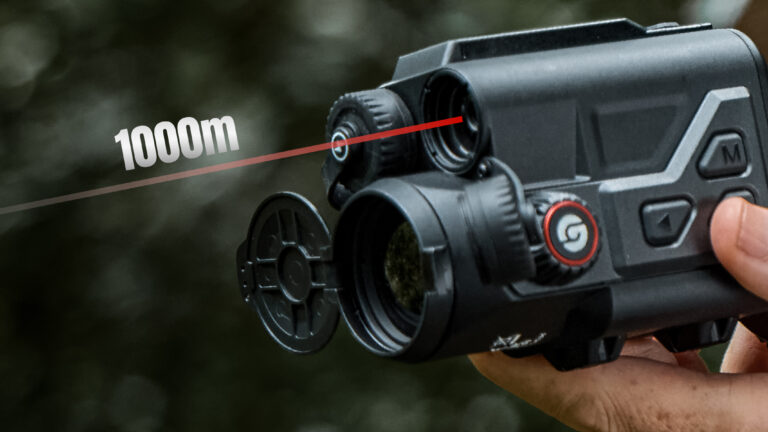
In recent years, the use of high sensitivity infrared thermal camera imaging has transformed the way industries approach monitoring, diagnostics, and safety. This advanced technology allows organizations to detect subtle variations in heat patterns that are invisible to the naked eye. By capturing these thermal signatures, businesses can make informed decisions, improve efficiency, and prevent costly failures. From manufacturing and healthcare to energy and security, the applications of high sensitivity infrared thermal camera imaging are broad and highly impactful.
Enhancing Safety and Preventive Maintenance
One of the most significant advantages of high sensitivity infrared thermal camera imaging is its ability to improve safety standards and support preventive maintenance. Traditional inspection methods often rely on visual assessments, which can miss hidden issues such as overheating machinery or faulty electrical components. Thermal imaging identifies these problems early by detecting heat anomalies before they escalate into serious failures or hazards.
For example, in the electrical industry, thermal cameras can spot overheating wires, transformers, and circuit breakers. By detecting potential issues early, companies can schedule repairs and replacements proactively, reducing the risk of fire, equipment damage, and production downtime. This predictive approach not only enhances workplace safety but also lowers operational costs in the long run.
Optimizing Industrial Processes
Industries such as manufacturing, oil and gas, and chemical production benefit greatly from high sensitivity infrared thermal camera imaging. These cameras provide precise thermal mapping of machinery and processes, allowing engineers to monitor performance in real time. Temperature fluctuations that indicate wear, friction, or inefficiencies can be identified quickly, enabling timely interventions.
In production lines, for instance, thermal imaging can detect irregular heating or cooling patterns in materials, ensuring consistent quality control. By maintaining optimal temperature conditions, manufacturers can reduce material waste, improve product reliability, and achieve greater energy efficiency. This level of process optimization is particularly valuable in high-stakes environments where even minor deviations can lead to significant losses.
Supporting Building and Energy Inspections
Another key application of high sensitivity infrared thermal camera imaging is in the inspection of buildings and energy systems. Architects, facility managers, and energy auditors use thermal cameras to identify insulation gaps, air leaks, moisture intrusion, and inefficient HVAC systems. Detecting these issues early helps reduce energy consumption, lower utility bills, and improve occupant comfort.
In addition, thermal imaging is essential for evaluating renewable energy installations, such as solar panels. By identifying hotspots or defective cells, operators can optimize the performance and lifespan of solar arrays. This proactive approach not only ensures energy efficiency but also contributes to sustainability efforts, a growing priority across industries worldwide.
Advancing Medical Diagnostics
Healthcare is another field where high sensitivity infrared thermal camera imaging is making a noticeable impact. Thermal imaging enables non-contact detection of abnormal temperature patterns in the human body, which can indicate inflammation, circulatory issues, or infection. Unlike traditional diagnostic tools, infrared thermal cameras provide a safe, radiation-free method for early detection and monitoring.
Hospitals and clinics can use thermal imaging to enhance patient care by monitoring conditions such as fever, peripheral vascular disorders, or musculoskeletal injuries. In addition, during public health emergencies, thermal cameras can efficiently screen large numbers of people for elevated body temperatures, supporting early intervention and containment measures.
Improving Security and Surveillance
Security and surveillance operations also benefit from the capabilities of high sensitivity infrared thermal camera imaging. Unlike standard cameras, thermal imaging can detect human or vehicle presence in complete darkness or through smoke, fog, and other visual obstructions. This makes it an invaluable tool for perimeter monitoring, border security, and critical infrastructure protection.
Military and law enforcement agencies increasingly rely on thermal cameras for night-time operations, search and rescue missions, and tactical surveillance. By identifying heat signatures, personnel can respond to potential threats faster and more accurately, enhancing both operational effectiveness and safety.
Supporting Environmental Monitoring
Environmental monitoring and research are other areas where high sensitivity infrared thermal camera imaging provides valuable insights. Scientists and conservationists use thermal cameras to study wildlife behavior, track animal populations, and detect changes in ecosystems without disturbing the subjects. Thermal imaging is particularly useful for observing nocturnal or elusive species that are difficult to monitor using traditional methods.
In addition, thermal cameras help monitor industrial emissions, detect heat loss in natural habitats, and support environmental compliance. By providing precise and real-time thermal data, these cameras assist organizations in implementing sustainable practices and minimizing environmental impact.
Advantages in Automotive and Aerospace Industries
The automotive and aerospace sectors also leverage high sensitivity infrared thermal camera imaging to enhance performance, safety, and innovation. Engineers use thermal imaging to analyze engine components, braking systems, and aerodynamic surfaces under extreme conditions. Identifying thermal irregularities allows manufacturers to optimize designs, improve fuel efficiency, and ensure reliability.
In electric vehicles, for instance, thermal cameras help monitor battery temperature and detect potential overheating. This proactive monitoring is crucial for preventing malfunctions and extending battery life. Similarly, in aerospace applications, thermal imaging ensures aircraft components operate within safe temperature ranges, supporting both passenger safety and operational efficiency.
Conclusion
The versatility of high sensitivity infrared thermal camera imaging makes it a transformative technology across multiple industries. From enhancing safety and preventive maintenance to optimizing industrial processes, supporting healthcare, and improving security, the applications are extensive. By providing precise, non-contact, and real-time thermal data, these cameras enable organizations to make proactive decisions, reduce risks, and maximize efficiency.
As industries continue to embrace digital transformation, the role of high sensitivity infrared thermal camera imaging will only grow. Organizations that invest in this technology gain a competitive advantage by improving operational reliability, maintaining safety standards, and adopting sustainable practices. In a world where early detection, precision, and efficiency are critical, thermal imaging stands out as a powerful tool for innovation and progress.
