Understanding the Importance of Reliable Power During Hurricanes
When a hurricane strikes, one of the first and most disruptive impacts is a power outage. Strong winds, flooding, and damaged infrastructure can leave homes without electricity for hours, days, or even weeks. In such situations, having a dependable energy system becomes more than just a convenience—it becomes a necessity for safety, comfort, and survival.
A well-planned hurricane-ready backup power system ensures that essential appliances continue running even when the grid fails. This includes lighting, refrigeration, communication devices, medical equipment, and climate control systems. Without preparation, families may face food spoilage, communication breakdowns, and unsafe living conditions.
Building resilience means thinking ahead, planning for worst-case scenarios, and investing in the right combination of power sources, storage, and usage strategies.
Core Components of a Hurricane-Ready Power System
Backup Power Sources
The foundation of any resilient energy setup is the power source itself. There are several options, each with its own advantages depending on household needs and budget.
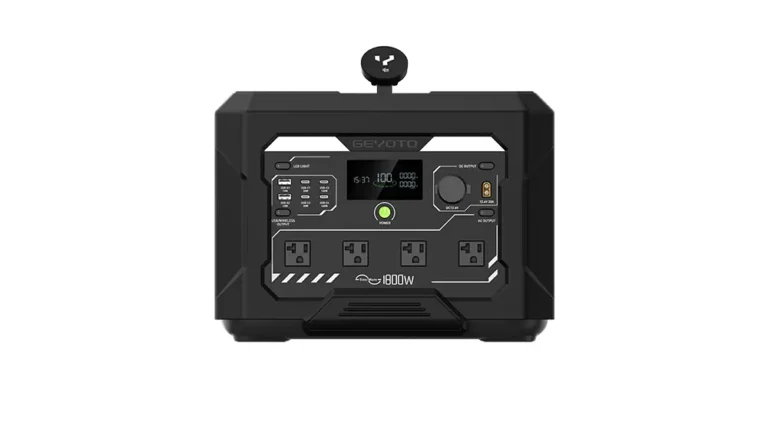
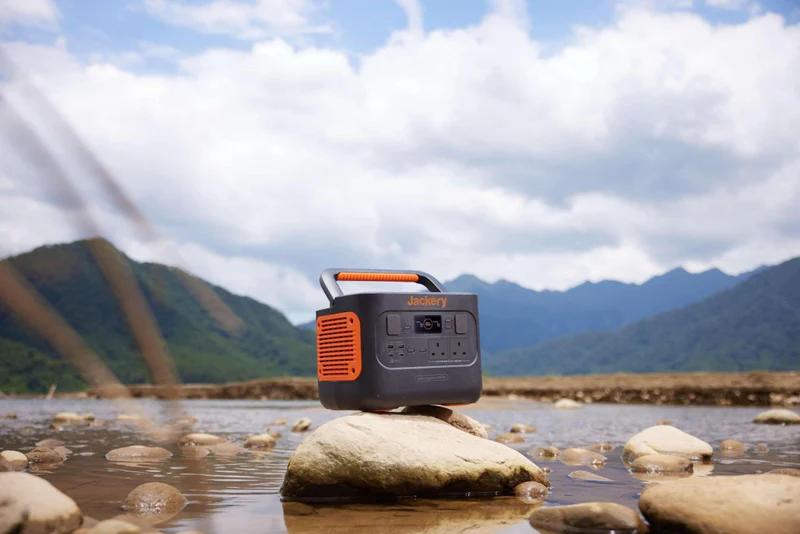
Portable power stations are increasingly popular due to their quiet operation, indoor safety, and ease of use. These battery-based systems can be charged via wall outlets, solar panels, or even vehicle charging ports. For many households, they serve as the first line of defense in a hurricane-ready backup power plan.
Traditional fuel generators are another option. They typically provide higher output, making them suitable for running large appliances. However, they require fuel storage, produce noise, and must be operated outdoors due to carbon monoxide risks.
Solar generators combine renewable energy with battery storage, offering a sustainable solution that can be replenished as long as sunlight is available. This makes them especially useful during extended outages.
Energy Storage and Capacity Planning
Choosing the right capacity is critical. A system that is too small will not support essential devices, while an oversized system may be unnecessarily expensive.
To determine your needs, list essential appliances and their wattage requirements. Common essentials include:
- Refrigerator (to prevent food spoilage)
- LED lighting
- Mobile phones and routers
- Medical devices
- Fans or small air conditioners
A strong hurricane-ready backup power system typically includes at least one medium-to-large capacity battery unit, often measured in watt-hours (Wh). The higher the capacity, the longer you can sustain essential operations.
Designing a Resilient Home Power Strategy
Prioritizing Essential Loads
During emergencies, not all appliances need to run at the same time. Prioritization is key to maximizing battery life.
Start by dividing devices into critical and non-critical categories. Critical devices include refrigeration, communication tools, and medical equipment. Non-critical devices may include entertainment systems or non-essential kitchen appliances.
By managing loads wisely, your hurricane-ready backup power system can last significantly longer, even with limited capacity.
Smart Energy Distribution
Modern systems often include features like load balancing and smart outlets. These allow homeowners to distribute electricity more efficiently and prevent overload.
For example, instead of running a refrigerator and microwave simultaneously, you can alternate usage schedules. This reduces strain on the system and extends battery runtime.
Some advanced setups even allow smartphone monitoring, giving real-time updates on power consumption and remaining battery life.
Integrating Renewable Energy for Long-Term Resilience
Solar Panel Integration
Solar energy is one of the most effective ways to enhance a backup system. By installing solar panels, homeowners can continuously recharge their batteries during daylight hours.
This creates a cycle of energy independence where the system replenishes itself, making it a core element of a modern hurricane-ready backup power solution.
Even small solar setups can make a significant difference during extended outages, especially when paired with energy-efficient appliances.
Hybrid Systems for Maximum Reliability
A hybrid system combines multiple power sources—such as solar panels, batteries, and fuel generators—to ensure continuous electricity supply under any condition.
For example:
- Solar panels provide daytime charging
- Batteries store energy for nighttime use
- Fuel generators act as a backup when solar is unavailable
This layered approach ensures redundancy, which is essential during prolonged disasters.
Safety Considerations for Emergency Power Use
Indoor vs Outdoor Operation
Safety is one of the most important aspects of emergency power planning. Fuel-powered generators must always be used outdoors to avoid carbon monoxide poisoning. In contrast, battery-based systems are safe for indoor use.
A properly designed hurricane-ready backup power system prioritizes indoor-safe technology whenever possible, reducing risk during emergencies when conditions are already dangerous.
Electrical Load Safety
Overloading circuits is a common mistake during outages. Plugging too many devices into a single system can damage equipment or cause failures.
Using surge protectors and certified power distribution units helps maintain safety and system stability. It is also important to regularly test your setup before hurricane season begins.
Practical Tips for Building Your System
Start Small and Scale Gradually
You do not need to build a complete system all at once. Many households begin with a single portable power station and gradually expand with solar panels and additional batteries.
This approach makes hurricane-ready backup power more affordable and easier to manage over time.
Regular Maintenance and Testing
Backup systems should not sit unused for long periods. Regular testing ensures everything works when needed most.
Charge and discharge batteries periodically, inspect cables, and ensure solar panels are clean and functioning efficiently. Preventive maintenance is key to long-term reliability.
Emergency Preparedness Planning
A power system alone is not enough. It should be part of a broader emergency plan that includes:
- Emergency food and water supplies
- Communication plan with family members
- Evacuation routes and safety zones
- First aid kit and essential medications
Integrating your hurricane-ready backup power system into a complete preparedness strategy ensures maximum safety and efficiency.
Final Thoughts on Building Energy Resilience
Hurricanes are unpredictable, but your preparedness does not have to be. A well-designed backup power system provides stability during chaos, allowing families to maintain communication, preserve food, and stay safe.
By combining smart planning, the right equipment, and renewable energy options, any household can build a reliable hurricane-ready backup power setup. The key is not just having power, but having resilient, flexible, and scalable power that adapts to any emergency situation.
Investing in such a system is ultimately an investment in peace of mind, ensuring that when the next storm arrives, your home remains powered, protected, and prepared.
