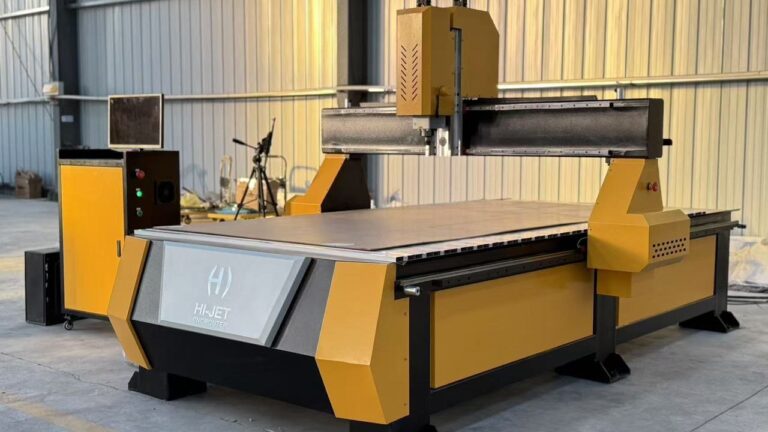
Woodworking has evolved tremendously over the years, transitioning from purely hand-crafted techniques to advanced digital craftsmanship. Among the most transformative innovations in the industry is the CNC Router, a computer-controlled cutting machine capable of shaping, carving, and engraving wood with exceptional accuracy. Today, woodworkers—from hobbyists to professional manufacturers—rely on CNC technology to achieve high-quality results, streamline production, and expand creative possibilities. This article explores the many ways CNC routers contribute to modern woodworking projects and how they continue to revolutionize the craft.
The Role of CNC Routers in Modern Woodworking
A CNC Router is designed to cut and shape wood by following precise instructions from computer software. This eliminates the guesswork and variability associated with manual cutting, allowing for consistency across multiple pieces. Whether creating one-of-a-kind art pieces or large production batches, woodworkers benefit from reliable accuracy and efficient workflow. CNC technology bridges the gap between traditional craftsmanship and modern innovation, enabling makers to produce intricate designs more easily and in less time.
Enhanced Accuracy and Precision
One of the main advantages of using a CNC Router is its ability to deliver high precision. Because the machine operates from computer-generated instructions, it can perform incredibly detailed cuts, engravings, and carvings that would be extremely difficult to achieve by hand. Woodworkers can design complex patterns digitally and trust the CNC system to execute them flawlessly on wood. Precision is especially valuable for tasks such as creating joinery, engraving logos, building cabinetry components, and crafting decorative art.
Increased Efficiency and Speed
Traditional woodworking methods often require time-consuming measuring, marking, and manual cutting. A CNC Router dramatically reduces production time by automating these steps. Once the program is set, the machine performs the work quickly and consistently, allowing woodworkers to complete large quantities of pieces in a shorter time frame. This efficiency is particularly useful for commercial woodworking businesses, furniture makers, and manufacturers looking to scale production without sacrificing quality.
Consistency Across Multiple Projects
When producing identical parts—such as cabinet doors, furniture components, or decorative panels—manual cutting can result in subtle variations from one piece to another. CNC technology eliminates this issue by using the same digital file for every cut, ensuring uniformity. This level of consistency is essential for large-scale projects, where even a small difference in size or shape can affect the final assembly.
Customization Made Easy
One of the most appealing aspects of CNC technology is the ease of customization it offers. Woodworkers can modify digital designs easily, adjusting measurements, patterns, and shapes with just a few clicks. This flexibility allows for unique woodworking projects such as personalized signs, custom furniture, decorative wall art, and tailored architectural elements. With a CNC Router, even intricate carving projects that once took days of manual work can now be completed quickly and accurately.
Perfect for Artistic and Decorative Details
CNC routers excel at producing detailed artistic carvings, including patterns, textures, and relief designs. Artists and designers use the machine to bring creative visions to life, whether crafting ornate doors, intricate paneling, or custom home décor. Because of its precision, the CNC Router can reproduce delicate patterns repeatedly without error—a major advantage for artisans selling custom pieces or fulfilling large orders.
Versatility Across Wood Types and Materials
Woodworkers appreciate CNC routers for their ability to handle different types of wood and additional materials. From softwoods like pine to hardwoods such as oak, walnut, and maple, a CNC Router can cut, carve, and engrave with ease. It can also work with materials like plywood, MDF, acrylic, plastic, and aluminum, making it suitable for mixed-material projects. This versatility opens doors to endless creative possibilities.
Applications in Furniture Making
Furniture making often requires complex joinery, precise measurements, and decorative elements. A CNC Router simplifies the creation of mortises, tenons, grooves, and other joints, increasing both strength and aesthetic quality. Makers can design furniture in CAD software and allow the machine to fabricate parts that fit together perfectly. This reduces labor time and enhances craftsmanship, especially for modern and contemporary furniture designs.
Essential Tool for Cabinetry and Home Renovations
Cabinetry requires extreme accuracy to ensure doors, drawers, and panels align correctly. CNC routers can mill cabinet parts perfectly to size, reducing errors and speeding up installation. Home renovation professionals also use the machine to create custom trims, moldings, stair components, and architectural millwork. The reliable precision provides a clean, professional finish in every project.
Ideal for Prototyping and Small-Batch Production
CNC technology is especially beneficial for woodworkers who frequently experiment with new designs. Rather than crafting prototypes by hand—an often time-intensive process—a CNC Router can quickly produce accurate prototypes that allow for easy testing and refinement. Small-batch manufacturers also rely on CNC routers to create limited-edition products efficiently and with consistent quality.
Reduced Material Waste
Because CNC routers operate with high accuracy, they minimize material waste. When working manually, even a slight miscalculation can ruin a piece of wood. With a CNC Router, every cut follows a precise digital blueprint, dramatically reducing the risk of errors and saving valuable materials. This cost-saving advantage is important for both professionals and hobbyists who want to maximize material efficiency.
Improved Safety During Operation
Manual woodworking tools like saws and chisels require close contact, which can lead to accidents. A CNC Router creates a safer working environment by performing cuts automatically, without requiring the operator’s hands near the blade. The user simply loads the material, sets the program, and monitors the process from a safe distance. This makes CNC machines a preferred choice for workshops focused on safety and efficiency.
The Future of Woodworking with CNC Routers
As technology continues to advance, CNC routers are becoming smarter, faster, and more user-friendly. Integration with design software, increased automation, and improved machine durability make CNC systems an essential tool in modern woodworking workshops. Whether crafting custom furniture, designing decorative art, or producing professional cabinetry, woodworkers rely on CNC technology to elevate their craft and unlock new creative potential.
Conclusion
The CNC Router is one of the most versatile and impactful tools in contemporary woodworking. Its precision, efficiency, customization capabilities, and safety benefits make it an essential asset for both hobbyists and professionals. By allowing woodworkers to push creative boundaries and improve production quality, CNC technology has reshaped the woodworking landscape—and its influence will only continue to grow.
